News, Regulations and Accessibility Resources
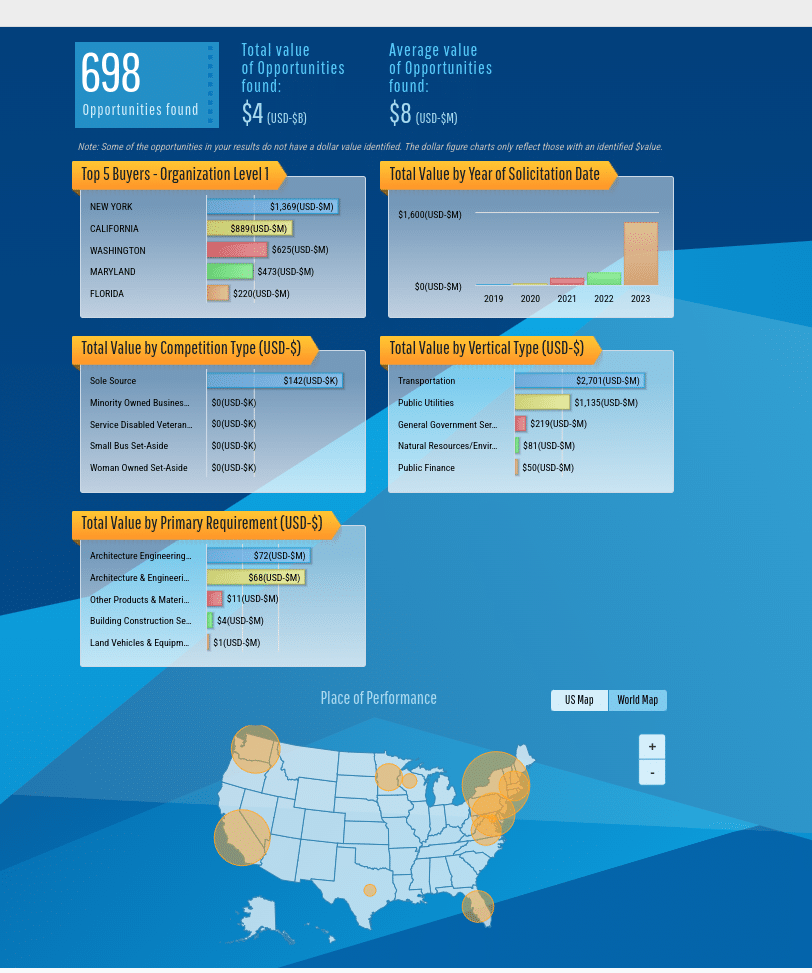
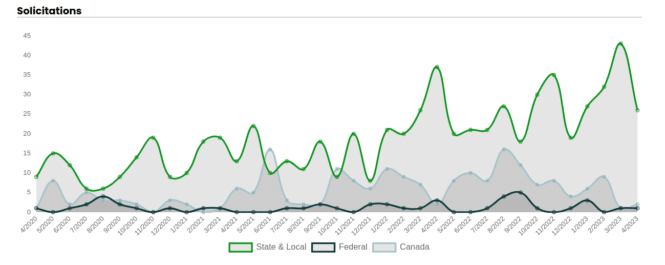
Click for full size — EV Opps March 2024
Electric vehicle (EV) charging stations are becoming critical infrastructure across the United States and around the world. As electric vehicle adoption accelerates, businesses, municipalities, retailers, healthcare providers, hotels, and transportation operators are investing in EV charging solutions to attract customers, support sustainability initiatives, and generate new revenue opportunities.
EV charging stations range from residential Level 1 chargers to high-speed DC Fast Charging networks capable of delivering hundreds of miles of driving range in less than an hour. Public charging infrastructure now plays an essential role in the broader transportation ecosystem, supporting commuters, fleet vehicles, ride-sharing services, and long-distance travel.
What Is an EV Charging Station?
An EV charging station is a device that supplies electricity to recharge electric vehicles and plug-in hybrid vehicles. Charging stations can be installed in homes, workplaces, parking facilities, retail locations, restaurants, hotels, healthcare campuses, and public spaces.
There are three primary categories of EV charging:
Level 1 Charging
Level 1 charging uses a standard 120-volt electrical outlet and is commonly used for residential overnight charging. Charging speeds are relatively slow but adequate for many daily driving needs.
Level 2 Charging
Level 2 charging uses 240-volt power and is the most common solution for commercial installations, workplaces, multifamily housing, hotels, and retail locations. These systems typically provide 20 to 40 miles of driving range per hour of charging.
DC Fast Charging
DC Fast Charging, sometimes referred to as Level 3 charging, provides significantly faster charging speeds and is commonly deployed along highways, travel centers, convenience stores, and fleet locations. Modern fast chargers can provide substantial battery replenishment in 20 to 40 minutes.
Why EV Charging Infrastructure Matters
The availability of reliable charging infrastructure is one of the most important factors influencing electric vehicle adoption. Governments, utilities, and private companies continue to invest billions of dollars in charging networks to support growing demand.
For businesses, EV charging stations offer several benefits:
- Attracting new customers
- Increasing customer dwell time
- Enhancing sustainability initiatives
- Supporting employee charging programs
- Creating new revenue opportunities
- Improving property value and tenant satisfaction
Retailers, restaurants, hotels, and healthcare providers increasingly view EV charging as an important customer amenity and competitive differentiator.
EV Charging and Accessibility
Accessibility is becoming an increasingly important consideration for EV charging deployments. Charging stations should be designed to accommodate all users, including individuals with disabilities and older adults.
Important accessibility considerations include:
- Accessible parking spaces
- Reach range requirements
- Clear floor space
- Cable management
- Screen visibility and readability
- Tactile controls and audio assistance
- Payment accessibility
- Compliance with the Americans with Disabilities Act (ADA)
As governments develop new accessibility guidelines, charging network operators and site owners must ensure that installations are inclusive and compliant.
EV Charging Technologies and Standards
Modern charging systems rely on a growing ecosystem of hardware, software, and industry standards. Topics shaping the future of EV charging include:
- Open Charge Point Protocol (OCPP)
- Network interoperability
- Plug and Charge technology
- Payment systems and contactless transactions
- Fleet charging management
- Energy management systems
- Smart grid integration
- Vehicle-to-grid technologies
Understanding these technologies is essential for businesses planning future charging deployments.
Commercial EV Charging Applications
EV charging infrastructure is rapidly expanding across numerous industries, including:
- Retail stores and shopping centers
- Restaurants and quick-service chains
- Hotels and hospitality properties
- Healthcare facilities
- Municipal parking operations
- Multifamily housing
- Airports and transportation hubs
- Fleet and logistics operations
Each market segment has unique deployment requirements, business models, and customer expectations.
EV Charging Industry Resources
This website provides news, analysis, statistics, regulations, accessibility guidance, manufacturer profiles, case studies, and educational resources covering the global EV charging industry.
Whether you are researching charging technologies, evaluating manufacturers, planning an installation, or monitoring industry trends, our goal is to provide practical information and independent analysis to help organizations make informed decisions regarding EV charging infrastructure.Resources
Topics
- EV Charging Accessibility
- EV Charging Regulations
- EV Charging Statistics
- EV Charging Manufacturers
- EV Charging Networks
- EV Charging for Retail
- EV Charging for Restaurants
- EV Charging RFP Guide
- OCPP Explained
- NACS vs CCS
Links
- U.S. Access Board
- Alternative Fuels Data Center (AFDC)
- Open Charge Alliance (OCPP)
- ANSI Electric Vehicles Standards Panel
Latest Posts
- Apple Failure with EV Cars
- Hertz EV Charging Case Study
- From Hospitality to Fee-spitality: When EV Charging Becomes a Revenue Trap
- Judge rules against Trump administration’s suspension of EV charger program
- Update on 2025 in EV Charging
- JOLT to Acquire Volta Media Network from Shell
- RFPs – Sept 30th
- EV Charging RFPs September 2025
- Progress Report Released by ANSI Electric Vehicles Standards
- EV Charging Infrastructure for Healthcare Providers – LG
EV Regulatory Update
- October 2025 Gaps Progress Report on ANSI EVSP 2023 Roadmap By the ANSI Electric Vehicles Standards Panel (EVSP)
- Contact Craig for draft copy.
The “Oct 2025 EVSP Roadmap Gaps Progress Report” is a comprehensive update on the progress of standards development and the gaps remaining in the electric vehicle (EV) ecosystem, covering vehicle systems, charging infrastructure, grid integration, and cybersecurity. The report organizes 37 priority gaps in these domains, assesses updates since the 2023 roadmap, and offers detailed recommendations to address major challenges facing large-scale EV deployment.
Key Sections and Focus Areas
-
Vehicle Systems: High-priority gaps are centered on lithium-ion battery safety, delayed battery thermal events, storage and transport, design for recyclability, and secondary battery uses. The report highlights the lack of standards for the safe storage of damaged batteries, packaging for transport, and design features supporting recycling. Recommendations include ongoing work with NHTSA, SAE, and others, and efforts to advance standards for battery reuse and tracking.
-
Charging Infrastructure: Emphasizes interoperability for plugs, chargers, and vehicles, including standards for megawatt charging systems for heavy-duty EVs, static and dynamic wireless charging, electromagnetic compatibility, and fire protection in older buildings. Progress on key standards (e.g., UL 2278, UL 2202, UL 2750) is noted, but additional work is needed on interoperability and cable management.
-
Grid Integration: Focuses on communication protocols, error code standardization, locating and reserving charging stations, quantitative measurement of DC power delivery, dynamic capacity management, and integration with utilities. The gaps report calls for better standards for sub-metering, V2G services, and unified communications between grid operators, vehicles, and energy service providers.
-
Cybersecurity: Highlights the critical need for comprehensive cybersecurity across the EV charging ecosystem, including secure trust chains, data privacy, robust security-by-design, and secure firmware updates. Standards such as IEC 62443, IEEE 1547.3, and the UL 2900 series are referenced, but gaps remain in end-to-end encryption, physical vulnerabilities, and protection against new threat vectors.
Main Recommendations
-
Accelerate standards development for high-priority gaps in battery safety, charging interoperability, cybersecurity, and grid data integration.
-
Encourage coordinated efforts among standards organizations (SAE, UL, IEC, NEMA, NFPA, etc.) to address emerging issues, including new uses for batteries, dynamic wireless charging, and secure data exchange.
-
Urge creation of guidelines for fire protection in legacy structures, cable management in public charging spaces, and secondary battery tracking technologies.
-
Promote comprehensive reviews of cybersecurity codes and standards, data privacy protocols, and robust design principles for all elements of the EV ecosystem.
Overarching Themes
-
The EVSP views this roadmap as a living document, updated as standards mature and new gaps are identified.
-
Feedback is actively solicited on new and evolving gaps, and the document includes mechanisms for contributors to suggest updates directly to ANSI.
-
Recent standards and in-progress development efforts are cataloged, and cross-references to international and national regulatory initiatives are provided to guide future work.
This report is essential for understanding the challenges and priorities in scaling EV adoption, directing attention to the highest-impact gaps in safety, interoperability, and security, and mapping the collaborative efforts needed among industry, regulators, and standards bodies.